
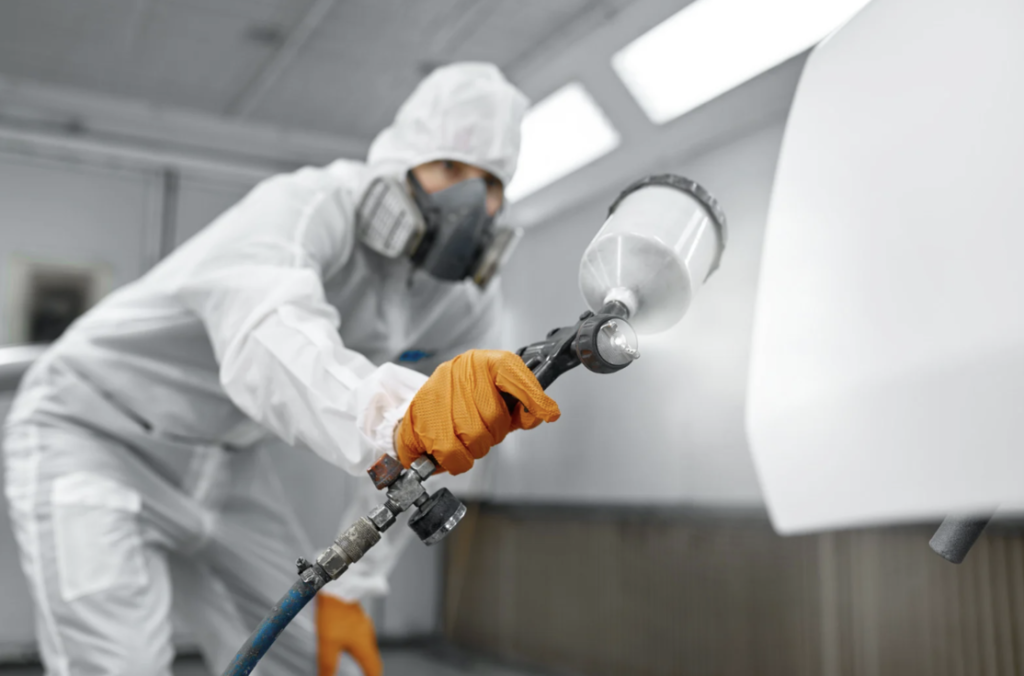
When planning a kitchen renovation, spray painting kitchen units can be a fantastic option.
It offers a fresh and modern look without the expense of replacing the units.
However, choosing the right spraying contractor is key to achieving a high-quality finish.
Asking the right questions before starting the project can help you avoid common pitfalls and ensure you get the results you want.
This article will guide you through the essential questions to ask your spraying contractor.
Being well-informed can make a significant difference in the outcome of your project.
If you’re thinking about purchasing spray painting units and what to ask, then you’ve come to the right place.
We will cover various aspects, from the benefits of spray painting to the types of paints and finishes, and from cost estimates to post-spraying maintenance.
By the end, you’ll have a clear understanding of what to expect and how to prepare for your kitchen spraying project.
What Are the Benefits of Spray Painting Kitchen Units?
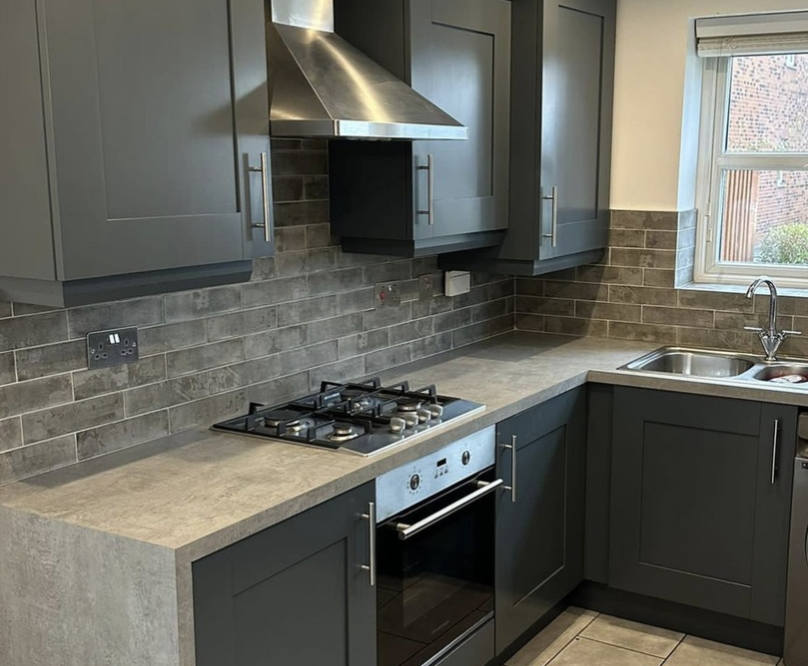
Spray painting kitchen units offers several advantages over traditional methods.
First, it provides a sleek and modern appearance, transforming outdated units into stylish focal points.
This method is also cost-effective, saving homeowners from the expense of buying and installing new units.
The range of colours and finishes available with spray painting is vast, allowing for a high level of customisation to match any kitchen decor, even with a worktop and tiles.
Whether you prefer a matte or satin finish, there are options to suit your style.
Additionally, spray-painted surfaces are known for their durability, withstanding daily wear and tear better than many traditional finishes.
Another benefit is the efficiency of the process.
Spray painting can be completed in a shorter time compared to other methods, minimising disruption to your household.
Overall, spray painting kitchen units is an excellent choice for those looking to update their kitchen affordably and stylishly.
How Do You Prepare and Protect the Kitchen Before Spraying?

Proper preparation is key to achieving a flawless finish when spray painting kitchen units.
Begin by clearing the kitchen of any items that could be damaged or get in the way.
This includes removing appliances, small kitchen items, and any decor. Next, cover the countertops, floors, and any remaining appliances with protective sheets or plastic.
This step prevents paint splatters and keeps the workspace clean.
Thoroughly clean the kitchen units to remove any grease, dirt, or old paint.
Sanding the surfaces lightly will help the new paint stick better.
Make certain that all surfaces are smooth and free of dust before starting the spraying process.
Additionally, safety is a key consideration.
Proper ventilation is necessary to avoid inhaling fumes, and it’s advisable to keep pets and children away from the area until the project is complete.
Taking these steps will protect your kitchen and result in a professional-looking finish.
What Is Your Spray Painting Process?

Understanding the spray painting process can help set your expectations and assess the contractor’s expertise.
The process typically begins with thorough preparation, which includes cleaning and sanding the surfaces to be painted.
This step helps the paint stick properly and results in a smooth finish.
Next, the contractor will mask off areas that should not be painted, such as countertops, floors, and adjacent cabinets.
This is followed by applying a primer to create a suitable base for the paint. Once the primer is dry, the actual spray painting begins.
The contractor uses professional equipment to apply multiple coats of paint, allowing adequate drying time between each coat.
Quality control measures are an essential part of the process.
The contractor will inspect the work for any imperfections and make necessary touch-ups.
The final step involves removing the masking and thoroughly cleaning the workspace, leaving your kitchen looking fresh and updated.
What Types of Paints and Finishes Do You Use?
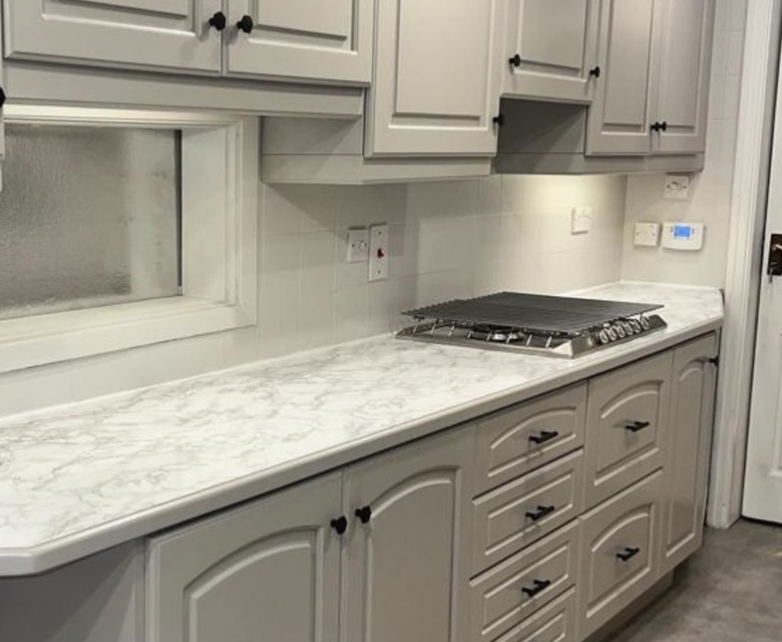
The choice of paints and finishes can significantly impact the appearance and durability of your kitchen units.
Contractors typically use paints specifically designed for kitchen cabinets, which are more durable and resistant to moisture and stains.
These paints come in various finishes, including matte, satin, and gloss, each offering a different look and level of maintenance.
Matte finishes provide a modern, low-sheen appearance but may require more frequent cleaning.
Satin finishes offer a balance between sheen and durability, making them a popular choice for kitchen units.
Gloss finishes are highly durable and easy to clean, but they can show imperfections more easily.
Environmentally friendly and low-VOC (volatile organic compound) paints are also available.
These options reduce harmful emissions, making them a healthier choice for your home.
Discussing the types of paints and finishes with your contractor will help you choose the best option for your kitchen’s style and needs.
Can You Provide a Detailed Cost Estimate?
Obtaining a detailed cost estimate is essential when planning to spray paint your kitchen units.
Several factors influence the overall cost, including the size of your kitchen, the type of paint and finish selected, and the complexity of the job.
A transparent quote should break down these costs, helping you understand the kitchen spray painting cost.
Ask your contractor to include any potential additional costs, such as special finishes or repairs needed before painting.
Knowing these details upfront can prevent unexpected expenses later on.
Additionally, there must be a discussion around payment terms and the schedule.
Some contractors may require a deposit, with the remaining balance due upon completion.
A clear and detailed cost estimate allows you to budget accurately for your kitchen renovation.
It also sets the foundation for a smooth and professional relationship with your spraying contractor, ensuring that both parties have matching expectations.
What Post-Spraying Maintenance and Care Tips Do You Recommend?
Proper maintenance is key to preserving the look of your freshly painted kitchen units.
Regular cleaning with a soft cloth and mild detergent will keep the surfaces looking their best.
Avoid abrasive cleaners and tools, as they can damage the finish.
Address any spills or stains promptly to prevent them from setting in.
There is a need to be gentle when handling the cabinets to avoid chipping or scratching the paint.
Ask your contractor if they offer a warranty or follow-up services.
This can provide peace of mind, knowing that any issues will be addressed professionally.
How Long Does the Spray Painting Process Take?
The duration of the spray painting process can vary based on several factors, including the size of your kitchen and the complexity of the job.
On average, a typical kitchen unit spray painting project can take anywhere from a few days to a week.
Preparation and drying times between coats are needed to achieve a quality finish.
Factors such as kitchen size and any necessary repairs can also affect the timeline.
To minimise disruption, discuss the project schedule with your contractor in advance.
Proper planning can help make sure that the work is completed efficiently and within your desired timeframe.
Asking the right questions when considering spray painting your kitchen units is required for a successful outcome.
You can make an informed decision by knowing the benefits, preparation steps, process details, paint options, cost estimates, and maintenance tips.
Contacting a professional spraying contractor can provide you with expert advice and high-quality results.
Spray painting your kitchen units is an excellent way to refresh your kitchen’s look without the expense of a full renovation.
Remember, thorough preparation and choosing a skilled contractor are the keys to achieving a beautiful and lasting finish.
Contact us if you have any questions or require further information.
